

Minibeast Hunt
Science/Biology Activity
What year group(s) is it suitable for? Key Stage 1 & 2
How many students can take part? Up to 60 students working in groups of 4.
How long does the workshop last? This is a morning-long workshop running between the start of the day and the school's lunchtime.
How much space do we need? Use of the school hall or a similar space is required for a full group. Single class groups can work in the classroom.
Any other requirements? Access to a good amount of outdoor space where students can explore under loose supervision. Spring and early Summer are the best times of year for finding a larger variety of minibeasts.
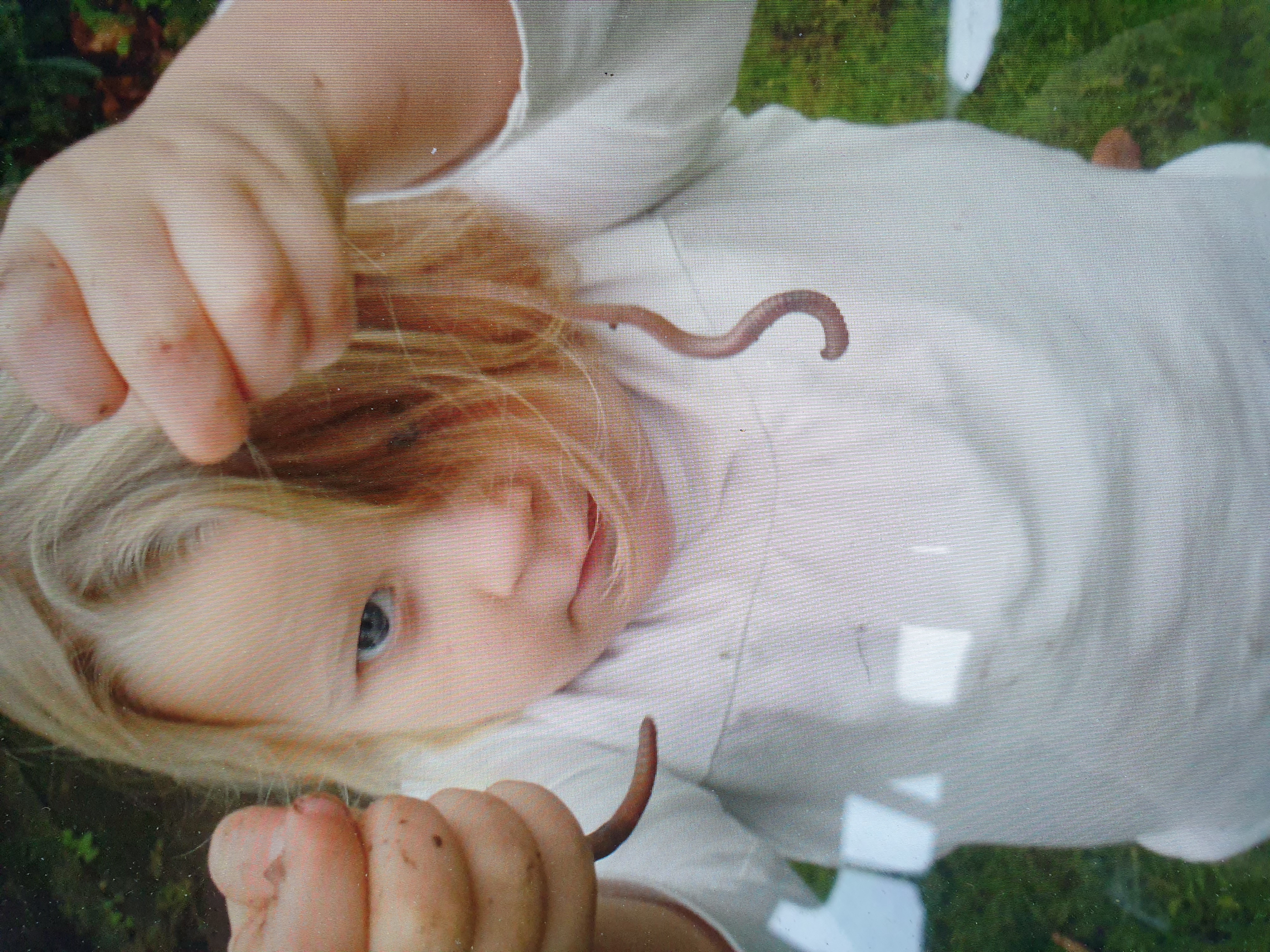
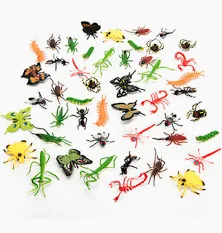
This workshop supports the science curriculum, covering minibeasts and their habitats. Outside, students work in small teams to catch, observe and identify minibeasts using equipment provided.
They consider their habitats, where they belong in the food chain and their importance to humanity. Then all minibeasts are returned to where they were found.
Students complete worksheets, and make small plaster of paris 'fossils'.
The team to work best together and who find the largest variety of minibeasts are declared the winners and each receive a small prize.
What teachers and students are saying:
"The children really enjoyed it and found the whole experience valuable. The element of team work and communication was particularly useful for this cohort."